The people and lineages of Naryab
The residents of Naryab belong to the Bangash Pashtun confederation, organized around family compounds, ancestral lineage records, and local elder assemblies.
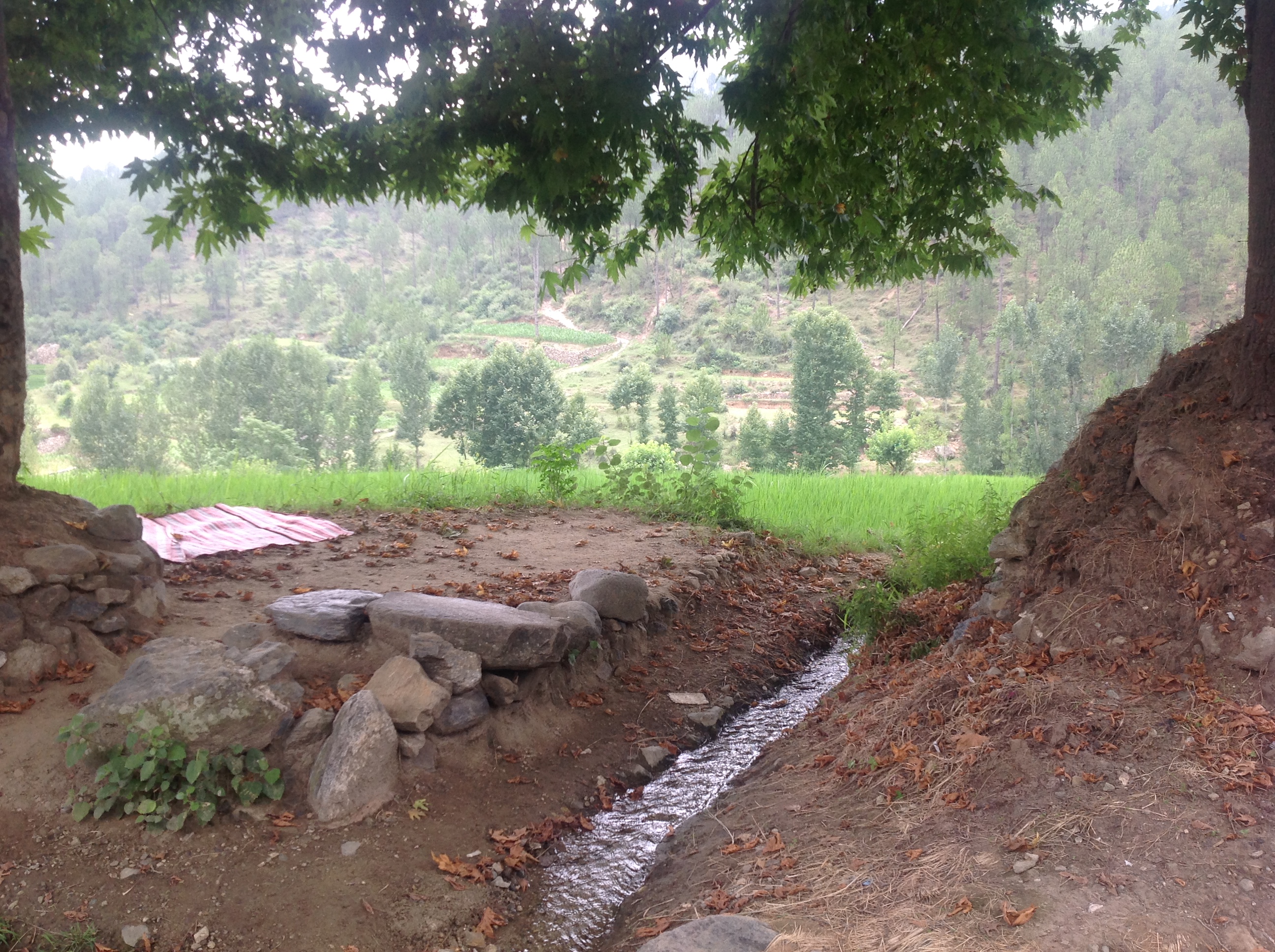
The Badha Khel lineage
Most families trace descent through the Badha Khel subtribe of the Karlanri Bangash tribe. Family genealogies (Shajra) are maintained by elders, informing land boundaries, canal turns, and village counsel.
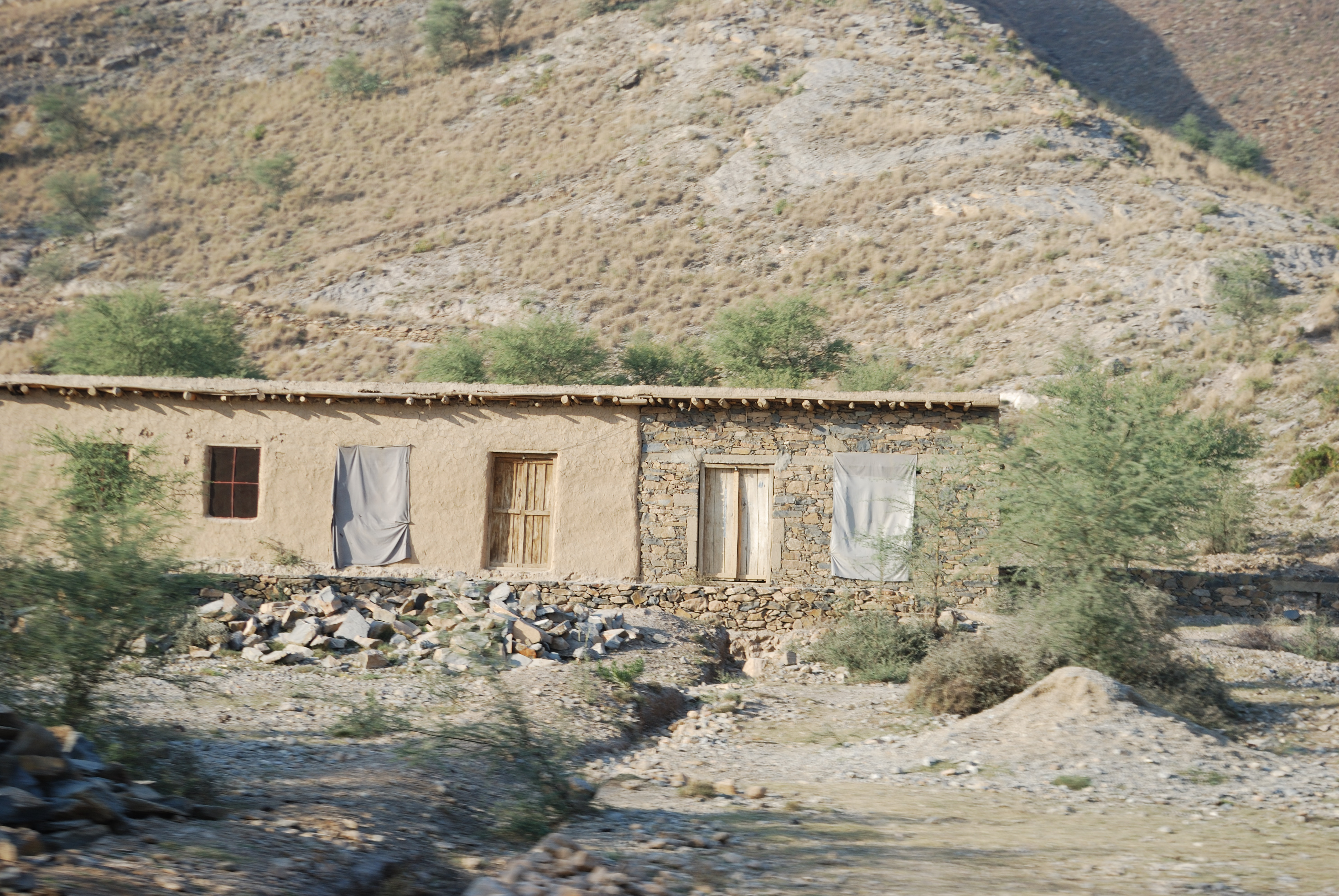
The family compound (Kala)
Houses in Naryab are built as walled enclosures called Kala. High stone and mud walls enclose interior courtyards where extended families live together, bake daily bread, and maintain gardens.
Near the main gate is the Baithak, a guest room where callers, neighbors, and travelers are received without entering private domestic spaces.
Livelihoods in the village
Farming & Orchards
Cultivating wheat for flour, tending apricot and plum orchards, and keeping livestock for milk and butter.
Gulf Remittances
Working abroad in the UAE, Saudi Arabia, and Qatar in transport, logistics, and retail, sending funds home to improve family homes.
Bazaar Commerce
Operating local grocery shops, flour mills, pickup transit between Doaba and Naryab, and carpentry trades.
Service & Teaching
Service in the military, civil departments, regional schools, and medical facilities across the district.
The Jirga and community arbitration
Most local property and water disagreements are resolved without formal court litigation through the Jirga, an assembly of respected elders (Masharan) recognized for their fairness and knowledge of customary law.
Both parties present their arguments before the assembly. Decisions are reached through discussion and enforced by social consensus, preventing disputes from escalating into prolonged feuds.